 CALL US: 702-877-1887

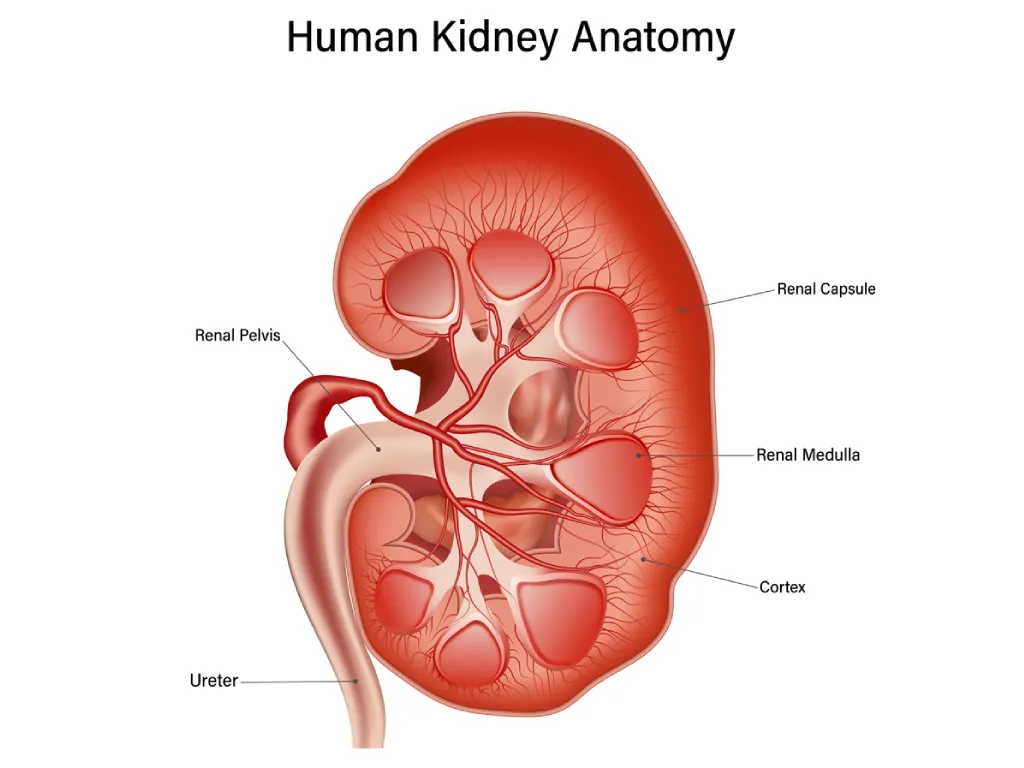
Your kidneys may be small, but they play a big role in keeping your body healthy. Many people don’t think about their kidneys until there’s a problem but understanding how they work can help you protect them and feel your best.
Let’s break it down in a simple, easy-to-understand way.
What Do Your Kidneys Do?
You have two kidneys, located on either side of your spine just below your ribcage. Their main job is to filter your blood and remove waste and extra fluid from your body.
Every day, your kidneys:
- Filter waste and toxins from your blood
- Remove extra water to make urine
- Balance minerals like sodium, potassium, and calcium
- Help control blood pressure
- Support healthy bones by balancing vitamin D and phosphorus
- Help make red blood cells that carry oxygen throughout your body
Your kidneys work around the clock, filtering about 50 gallons of blood every day.
How Does Blood Get Cleaned?
Inside each kidney are millions of tiny filters called nephrons. Think of nephrons like coffee filters:
- Blood flows into the kidney
- Waste and extra fluids are filtered out
- Clean blood returns to your body
- Waste leaves your body as urine
When your kidneys are healthy, this process happens smoothly and silently.
What Happens When Kidneys Don’t Work Well?
When kidneys aren’t working properly, waste and fluid can build up in your body. This can lead to symptoms like:
- Swelling in your legs, ankles, or face
- Fatigue or low energy
- Changes in urination
- Shortness of breath
- High blood pressure
Many people with early kidney disease don’t have symptoms, which is why regular check-ups are so important.
Ways to Support Kidney Health
You can help protect your kidneys by making healthy choices:
- Drink water throughout the day (unless your doctor says otherwise)
- Manage blood pressure and blood sugar
- Limit salt and processed foods
- Avoid overusing pain relievers like NSAIDs
- Follow your provider’s recommendations for labs and visits
Small steps can make a big difference.
If you have questions about your kidney health or haven’t had your kidney function checked recently, schedule an appointment with your healthcare provider. Early awareness and routine monitoring can help keep your kidneys working well for years to come.
Your kidneys work hard for you—let’s take care of them.
Final Thoughts
Your kidneys are powerful, hardworking organs that keep your body balanced and healthy. Understanding how they work is the first step in protecting them, especially if you have risk factors like diabetes, high blood pressure, or a family history of kidney disease.
Stay informed and take control of your kidney health!

Getting diagnosed with an organ disease can often be one of the scariest moments of Read more

A large percentage of the population suffers from some form of back problems, and if Read more
When it comes to your body, there is a lot of things that can go Read more
Many of us walk around living our day to day lives without even realizing that Read more
