 CALL US: 702-877-1887

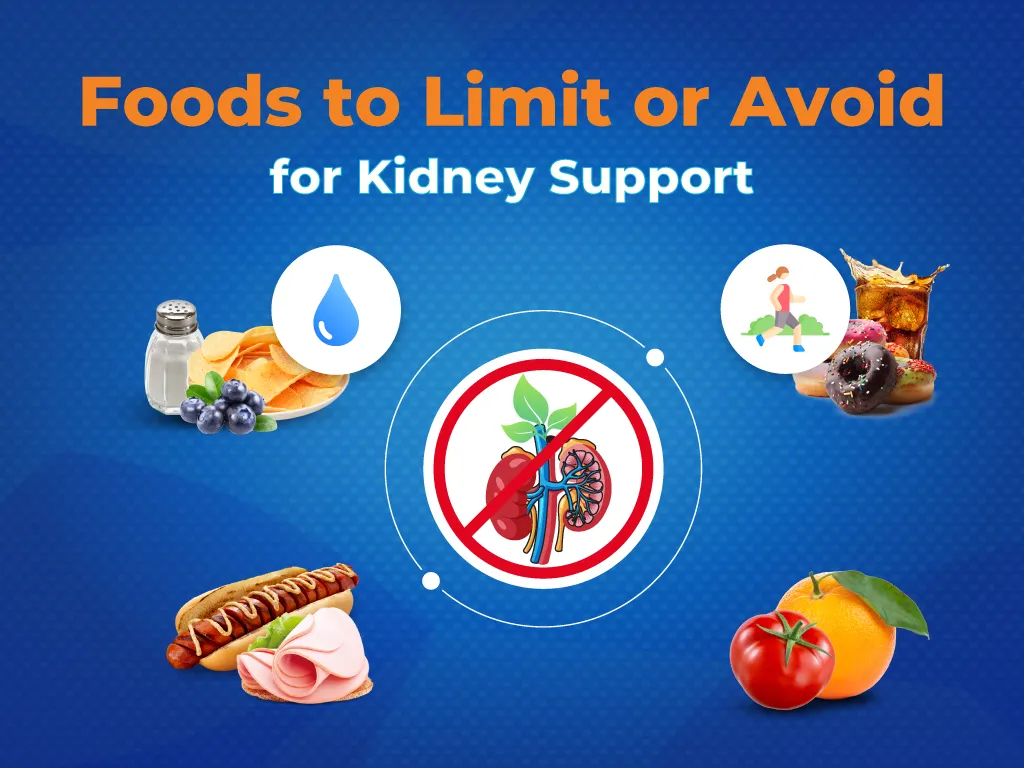
When you’re managing kidney disease, food choices play a major role in how you feel and how well your kidneys function. While no single food causes kidney disease, some foods can place extra strain on the kidneys when eaten too often or in large amounts. Understanding which foods to limit or avoid can help support your kidney health.
Why Some Foods Are Hard on the Kidneys
Damaged kidneys have a harder time balancing:
- Sodium (salt)
- Potassium
- Phosphorus
- Fluids
When these build up in the body, they can cause symptoms like swelling, fatigue, bone problems, and heart strain. Making mindful food choices helps reduce this burden.
High-Sodium Foods to Limit
Too much sodium increases blood pressure and fluid retention:
- Processed meats (bacon, sausage, deli meats)
- Canned soups and packaged meals
- Fast food and restaurant meals
- Salty snacks like chips and pretzels
Choose fresh foods and look for “low sodium” options whenever possible.
Foods High in Potassium (Limit Based on Provider Guidance)
Potassium affects muscle and heart function. Some patients need to limit:
- Bananas
- Oranges and orange juice
- Potatoes
- Tomatoes and tomato products
- Avocados
Portion size and preparation methods can make a difference—always follow your care team’s recommendations.
Foods High in Phosphorus
Excess phosphorus can weaken bones and affect heart health:
- Dairy products (milk, cheese, yogurt)
- Dark-colored sodas
- Processed and packaged foods with phosphorus additives
- Organ meats
Phosphorus from additives is absorbed more easily than naturally occurring phosphorus.
Protein: Not Too Much, Not Too Little
While protein is important, excessive amounts can strain the kidneys:
- Large portions of red meat
- Processed protein products
Your provider or dietitian can help you find the right balance.
Sugary and Highly Processed Foods
These foods offer little nutritional value and may worsen diabetes and heart disease:
- Sweets and pastries
- Sugary drinks
- Packaged snack foods
Limiting these helps support both kidney and overall health.
Final Thoughts
Limiting certain foods doesn’t mean giving up enjoyment; it means making choices that protect your kidneys and help you feel your best. Small, gradual changes can lead to meaningful improvements over time. Work closely with your care team to understand which foods matter most for your specific stage of kidney disease.
Stay informed and take control of your kidney health!

Getting diagnosed with an organ disease can often be one of the scariest moments of Read more

A large percentage of the population suffers from some form of back problems, and if Read more
When it comes to your body, there is a lot of things that can go Read more
Many of us walk around living our day to day lives without even realizing that Read more