 CALL US: 702-877-1887

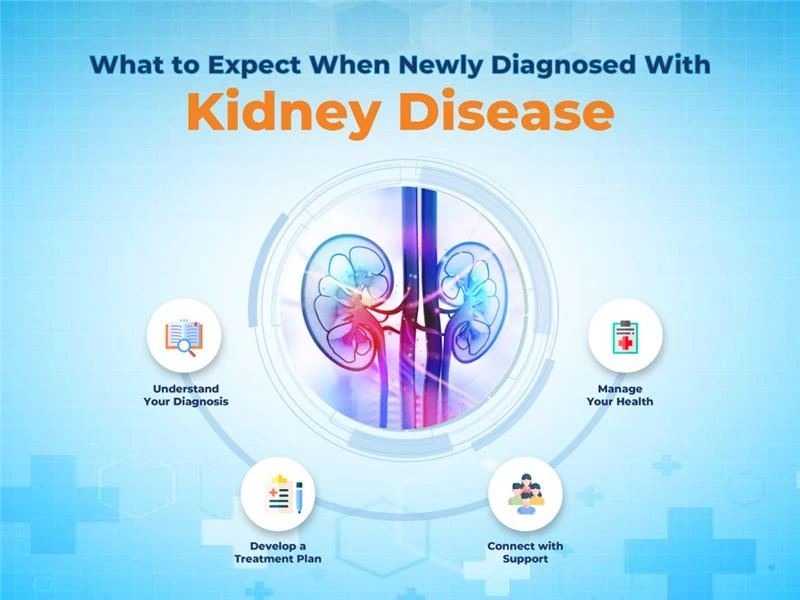
Being diagnosed with kidney disease can feel overwhelming. It’s normal to have questions, concerns, and even fears about what this diagnosis means for your health and daily life. The good news is that with the right care, education, and support, many people with kidney disease are able to manage their condition and continue living full, meaningful lives.
This guide walks through what you can expect after a new kidney disease diagnosis and how to take the first steps forward.
Understanding Your Diagnosis
Kidney disease means your kidneys are not working as well as they should to filter waste and excess fluid from your blood. Your care team may talk with you about:
- Your stage of kidney disease, which is based on lab results such as eGFR (estimated glomerular filtration rate)
- Possible causes, including diabetes, high blood pressure, autoimmune conditions, or other health issues
- What the diagnosis means and how it may change over time
Not everyone progresses to kidney failure. Many patients remain stable for years, especially with early treatment and lifestyle changes.
Common Emotions Are Normal
A new diagnosis often comes with a mix of emotions like shock, denial, sadness, anxiety, or even guilt. These feelings are completely normal. Give yourself time to process the information, and don’t hesitate to share how you’re feeling with your healthcare team or loved ones. Emotional well-being is an important part of kidney care.
Tests and Appointments You May Have
After diagnosis, you can expect regular monitoring to better understand your kidney health. This may include:
- Blood tests to measure kidney function
- Urine tests to check for protein or other changes
- Blood pressure monitoring
- Imaging studies, such as ultrasounds, if needed
You may also be referred to a nephrologist, a doctor who specializes in kidney care, if you are not already seeing one.
Lifestyle Changes That Support Kidney Health
Small, consistent changes can make a big difference. Your care team may recommend:
- Managing blood pressure and blood sugar
- Staying active with safe, regular movement
- Avoiding certain medications, such as NSAIDs, that may strain the kidneys
- Staying hydrated, based on your provider’s guidance
You may also meet with a renal dietitian who can help create a plan tailored to your needs.
Treatment Options Are Individualized
Treatment depends on the cause and stage of your kidney disease. Your plan may include medications, lifestyle changes, or close monitoring. For most newly diagnosed patients, the focus is on slowing progression, managing symptoms, and protecting overall health. If kidney disease advances, your care team will discuss future options early, so you have time to learn, plan, and make informed decisions.
You Are Not Alone
Kidney disease is a journey, but you do not have to navigate it by yourself. Your healthcare team is there to partner with you, answer questions, and adjust your care as your needs change. Support groups, educational resources, and loved ones can also play an important role.
Moving Forward With Confidence
A kidney disease diagnosis is a new chapter, not the end of your story. Learning about your condition, staying engaged in your care, and taking things one step at a time can help you feel more in control and confident moving forward.
If you’ve recently been diagnosed, know that questions are welcome, progress looks different for everyone, and your care team is here to support you every step of the way.
Final Thoughts
Receiving a kidney disease diagnosis can feel like a lot to take in, but remember, you don’t have to understand everything all at once. Kidney care is a journey built on learning, partnership, and small steps forward. By staying informed, keeping open communication with your healthcare team, and focusing on what you can control today, you are taking an important role in your health. Take things one day at a time, be kind to yourself, and know that support, guidance, and compassionate care are always within reach.
Stay informed and take control of your kidney health!

Getting diagnosed with an organ disease can often be one of the scariest moments of Read more

A large percentage of the population suffers from some form of back problems, and if Read more
When it comes to your body, there is a lot of things that can go Read more

Many of us walk around living our day to day lives without even realizing that Read more