 CALL US: 702-877-1887

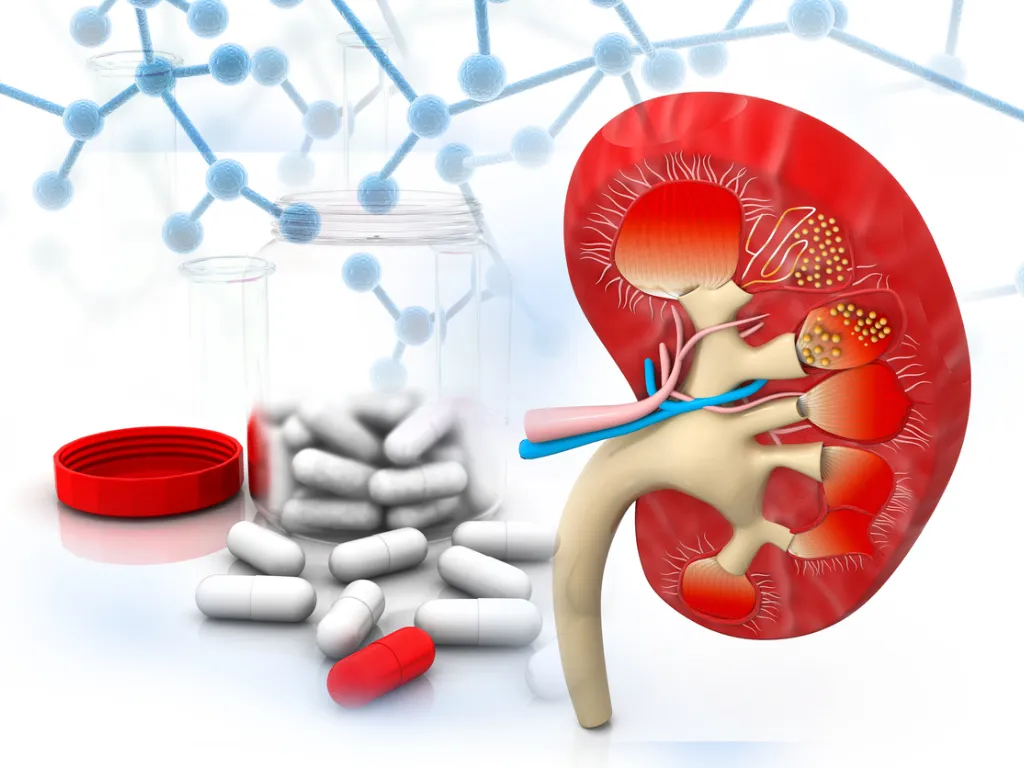
Painkillers like ibuprofen, naproxen, and aspirin, known as NSAIDs (non-steroidal anti-inflammatory drugs), are among the most commonly used medications in the world. They help with headaches, muscle aches, arthritis, and everyday discomfort. But while these medications can be helpful when used correctly, overusing them can quietly harm your kidneys. For patients with kidney disease, or those at risk, understanding the dangers of NSAID overuse is especially important.
How NSAIDs Affect the Kidneys
Your kidneys rely on healthy blood flow to filter waste and maintain balance in your body. NSAIDs reduce blood flow to the kidneys, which can strain them over time. When the kidneys don’t receive enough blood, they can’t do their job effectively and this can lead to injury.
Regular or excessive use of NSAIDs may cause:
- Acute kidney injury (AKI)
- High blood pressure
- Fluid retention (swelling in legs, feet, or hands)
- Worsening of existing kidney disease
Even people with healthy kidneys can experience harm if NSAIDs are taken too frequently, in high doses, or along with dehydration.
Who Is at Higher Risk?
Some patients are more vulnerable to kidney damage from NSAIDs, including those with:
- Chronic kidney disease (CKD)
- Diabetes
- High blood pressure
- Heart disease
- Older age
- Dehydration or frequent illness
- A history of kidney problems
If you fall into any of these categories, NSAIDs may not be safe for you, even in small amounts.
Warning Signs to Watch For
NSAID-related kidney damage can be silent, but some symptoms may include:
- Swelling of the legs, ankles, or hands
- Sudden weight gain
- Fatigue or weakness
- Reduced or dark-colored urine
- Shortness of breath
- Nausea
If you experience these symptoms while using NSAIDs, contact your healthcare provider right away.
Safer Alternatives for Pain Relief
If you have kidney concerns, talk to your doctor about safer options. Many patients can use:
- Acetaminophen (Tylenol) for most types of pain
- Topical pain relievers
- Heat or ice therapy
- Physical therapy
- Gentle stretching or low-impact exercise
Never start or stop medications without medical guidance.
How to Protect Your Kidneys
Here are simple steps you can take to reduce the risks:
- Use NSAIDs only when necessary and at the lowest effective dose
- Avoid taking NSAIDs daily unless your doctor says it’s safe
- Stay well-hydrated
- Do not mix multiple NSAIDs
- Always tell your doctors and pharmacists about all medications and supplements you take
Your kidneys work hard every day, protecting them is essential to your long-term health.
Final Thoughts
NSAIDs can be helpful for short-term pain relief, but overuse, especially in patients with kidney risks, can cause serious and sometimes permanent kidney damage. Always talk with your healthcare team before taking any new medication, even over-the-counter products. Your health and kidney safety matter. When it comes to pain relief, make informed choices and use medications wisely.
Stay informed and take control of your kidney health!

Getting diagnosed with an organ disease can often be one of the scariest moments of Read more

A large percentage of the population suffers from some form of back problems, and if Read more

When it comes to your body, there is a lot of things that can go Read more

Many of us walk around living our day to day lives without even realizing that Read more