 CALL US: 702-877-1887

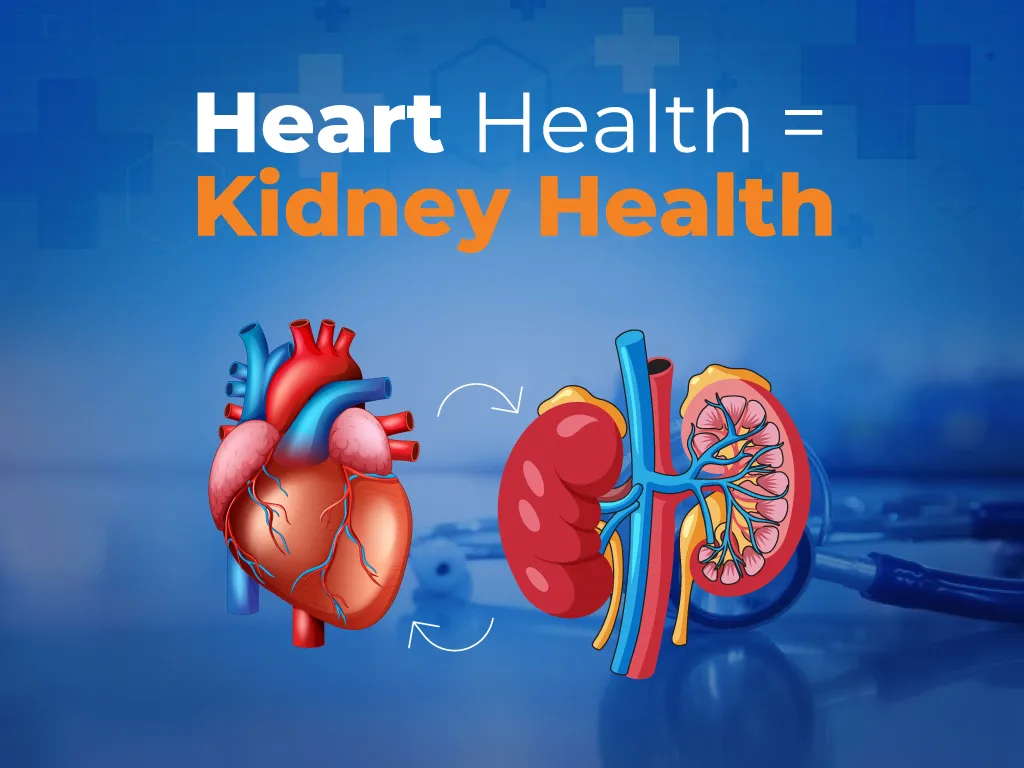
Your heart and kidneys work as a team to keep your body healthy. When one isn’t working well, the other often feels the impact. Understanding this connection can help you protect both organs and take meaningful steps toward better long-term health.
The Heart–Kidney Connection
Your heart’s main job is to pump blood throughout your body. Blood delivers oxygen and nutrients to every organ, including your kidneys. In return, your kidneys help regulate blood pressure, fluid balance, and electrolytes, all of which directly affect how hard your heart has to work. Because they rely on each other so closely, problems with the heart can strain the kidneys, and kidney disease can increase the risk of heart problems.
How Heart Problems Can Affect the Kidneys
When the heart doesn’t pump blood efficiently, less blood reaches the kidneys. Over time, this can reduce kidney function and lead to chronic kidney disease (CKD). Common heart-related conditions that impact kidney health include:
- High blood pressure (hypertension): Damages blood vessels in both the heart and kidneys
- Heart failure: Reduces blood flow to the kidneys
- Atherosclerosis (hardening of the arteries): Limits blood supply to kidney tissue
How Kidney Disease Can Affect the Heart
Kidneys play a key role in controlling blood pressure and removing excess fluid from the body. When kidney function declines:
- Blood pressure may rise, increasing strain on the heart
- Fluid can build up, forcing the heart to work harder
- Imbalances in minerals like potassium and phosphorus can affect heart rhythm
This is why people with kidney disease are at higher risk for heart disease and stroke.
Shared Risk Factors
Heart disease and kidney disease often share the same risk factors, including:
- Diabetes
- High blood pressure
- Smoking
- High cholesterol
- Obesity
- Family history
Managing these risks early can significantly improve outcomes for both heart and kidney health.
Steps You Can Take to Protect Both
Small, consistent changes can make a big difference:
- Manage blood pressure and blood sugar as directed by your care team
- Follow a kidney and heart-friendly diet, low in sodium and processed foods
- Stay physically active with activities approved by your provider
- Take medications as prescribed
- Attend routine check-ups to monitor kidney function and heart health
Final Thoughts
Many heart and kidney conditions don’t cause noticeable symptoms early on. Regular lab work, blood pressure checks, and follow-ups help detect changes early—when they’re most treatable.
If you have concerns about your heart or kidney health, schedule an appointment with our office. Small steps today can protect your health for years to come.
Stay informed and take control of your kidney health!

Getting diagnosed with an organ disease can often be one of the scariest moments of Read more

A large percentage of the population suffers from some form of back problems, and if Read more
When it comes to your body, there is a lot of things that can go Read more

Many of us walk around living our day to day lives without even realizing that Read more