CALL US: 702-877-1887



March Newsletter 2026
Practice Updates
Upcoming Office Closures:
March 06, 2026 (Staff Development Day)
Please note that you can reach our office on March 6th by calling 702-877-1887.
KSOSN Office Hours are Mon-Thur 8:00a – 5:00p. Fri 8:00a to 12:00p.
Surgical Center Hours are Mon-Sat 7:30a – 4:30p.
Kidney Month
March is National Kidney Month, a time dedicated to raising awareness about kidney health and the steps we can all take to protect these vital organs. Your kidneys work around the clock to filter waste, balance fluids, and support overall health, yet kidney disease often develops silently with few early symptoms.
Why kidney health matters
- 1 in 7 adults in the U.S. has chronic kidney disease (CKD)
- Early detection can slow or even prevent progression
- Simple lifestyle choices can make a big difference
This month, we encourage you to learn more about your kidney health and talk with your care team about screenings and prevention.
For additional education and resources, visit KSOSN website.
Kidney Health Tip of the Month
Monitor your blood pressure. Keeping it in a healthy range protects your kidneys and overall health.
Educational Spotlight
Eating Well at Every Stage
Good nutrition supports your energy, lab results, and overall health, and it looks different at each stage of kidney care. This month, we’re focusing on practical food choices that help protect your kidneys while still allowing you to enjoy what you eat.
For Nephrology Patients:
In the early stages of kidney disease, nutrition can help slow progression. Managing sodium, choosing heart-healthy foods, and balancing protein intake can reduce stress on your kidneys while supporting blood pressure and blood sugar control.
For Dialysis Patients:
Dialysis changes your body’s nutritional needs. Getting enough protein is important, while also keeping phosphorus and potassium in balance. Making mindful food choices and reviewing labs regularly helps support strength, energy, and heart health.
For Transplant Patients:
After transplant, food safety and medication interactions are key. Avoiding foodborne illness, understanding how certain foods affect your medications, and maintaining a balanced diet help protect your transplanted kidney and overall health.
Remember: There is no one-size-fits-all kidney diet. Your care team and dietitian can help tailor nutrition choices that fit your specific needs and lifestyle.
Kidney Friendly Recipe of the Month
Cherry Coffee Cake

Ingredients
Yield: 24 Portions
- 1/2 cup unsalted butter
- 2 eggs
- 1 cup granulated sugar
- 1 cup sour cream
- 1 teaspoon vanilla
- 2 cups all-purpose white flour
- 1 teaspoon baking powder
- 1 teaspoon baking soda
- 20 ounces cherry pie filling
Nutritional Information
Serving Size: 1 Serving
- Calories 260
- Carbohydrates 30 g
- Protein 3 g
- Sodium 113 mg
- Potassium 72 mg
- Phosphorus 70 mg
Preparation
- Preheat oven to 350° F. Set butter out at room temperature to soften.
- Using a mixer, cream butter, eggs, sugar, sour cream and vanilla.
- In separate bowl combine flour, baking powder and baking soda.
- Add dry ingredients to creamed butter mixture and mix well. Pour batter into a greased 9″ x 13″ baking pan.
- Evenly disperse cherry pie filling over batter.
- Bake for 40 minutes until golden brown.
Resource: Cherry Coffee Cake
Meet Our Care Team

Charissa Carag, M.D.
Specialty: Nephrologist
Dr. Charissa Carag graduated from the College of Medicine, University of the Philippines. After completing her medical degree, she did her residency and fellowship at Rush University Medical Center in Chicago, IL. She thoroughly enjoyed her Nephrology rotation during residency and had great mentors and teachers, inspiring her to pursue a career in this specialty.
Dr. Carag chose Nephrology because she loves how it provides a good grasp of physiology and the diversity in this field. She is able to take care of acutely ill patients and also take part in the comprehensive long-term care of dialysis patients. There are many diagnostic challenges in Nephrology, and she loves that she can make a difference in patients’ lives. She believes that recognition of CKD at an early stage and timely referral to a nephrologist are crucial to potentially stabilizing the patient’s kidney disease and hopefully preventing fast progression and eventual dialysis. She has interest in glomerulonephritis (GNs).
Dr. Carag is board certified in Internal Medicine and Nephrology. She chose to work at KSOSN because she wanted to be part of a well-established group with a collegial environment and an excellent reputation of providing quality health care.
She is married and has two boys. As a family, they love to travel and try different restaurants. She was born in the Philippines and finished medical school there before moving to the US for residency and fellowship. She speaks Tagalog and English.
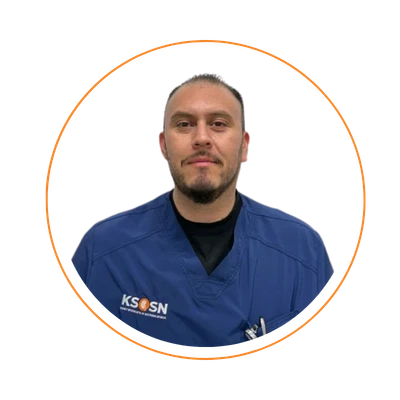
Gerardo Salazar
Ultrsound Technologist
What’s something that always makes you smile?
My Family always makes me smile.
What’s the most rewarding part of your job?
The most rewarding part of my job is knowing I made a difference in the patient’s life, whether it was providing the best images I can take or just talking to the patient about anythin
What’s your favorite quote, motto, or life philosophy?
One of my all-time favorite quotes is “You are who you choose to be” From the movie The Iron Gian.
Words of Encouragment

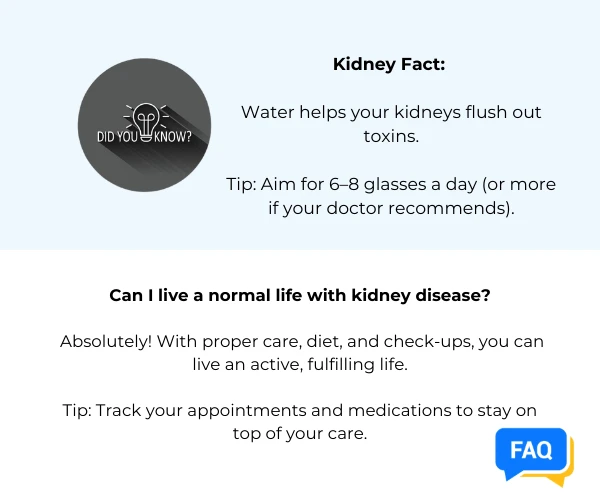
Even small steps make a big difference. Drinking water, eating well, and staying active are victories!
Stay Informed. Stay Empowered.
At KSOSN, we believe that knowledge is key to managing your kidney health. Our newsletter and blog provide valuable tips, updates, and educational resources designed to empower you to make informed decisions about your care.
📩 Sign up today to receive our latest posts directly to your inbox
Take control of your kidney health, one read at a time!